Public design practices
Understanding what design brings, and adapting it to political-administrative contexts.
Design practices are increasingly recognised as having transformative potential for complex societal challenges in the public sector. Yet what designers distinctively bring is still hard to pin down. The discipline has expanded in many directions—service design, social design, systemic design, transition design—and the work of articulating what unites them, precisely enough to be useful in collaboration with public organisations, is still ongoing.
An early discussion in
Een ontwerpende aanpak voor maatschappelijke opgavenvan Arkel & Tromp, 2023, the project
Defining design practices for societal challenges ↗︎
, and the publication
What do designers bring to the table?van Arkel & Tromp, 2024 approach this at the level of competencies — capabilities that can span varied applications while remaining grounded in design expertise. Four emerged from this work as the constitutive core of what design brings to complex societal challenges: integrating, reframing, formgiving, and orchestrating. Continuing research asks how this repertoire holds up—and must adapt—when deployed in the political-administrative domain, where bureaucratic, regulatory, and political dynamics shape what is possible.
↗︎
, and the publication
What do designers bring to the table?van Arkel & Tromp, 2024 approach this at the level of competencies — capabilities that can span varied applications while remaining grounded in design expertise. Four emerged from this work as the constitutive core of what design brings to complex societal challenges: integrating, reframing, formgiving, and orchestrating. Continuing research asks how this repertoire holds up—and must adapt—when deployed in the political-administrative domain, where bureaucratic, regulatory, and political dynamics shape what is possible.
What changes for design when it enters this domain, and what its credibility there comes to depend on, is what this theme works through. How the repertoire is then carried through concrete trajectories of organisational change is the slow, contingent work that Stewarding change↗︎ follows.
Projects

Designing with institutions
design research, systemic design, policy and governance
Defining design practices for societal challenges
design research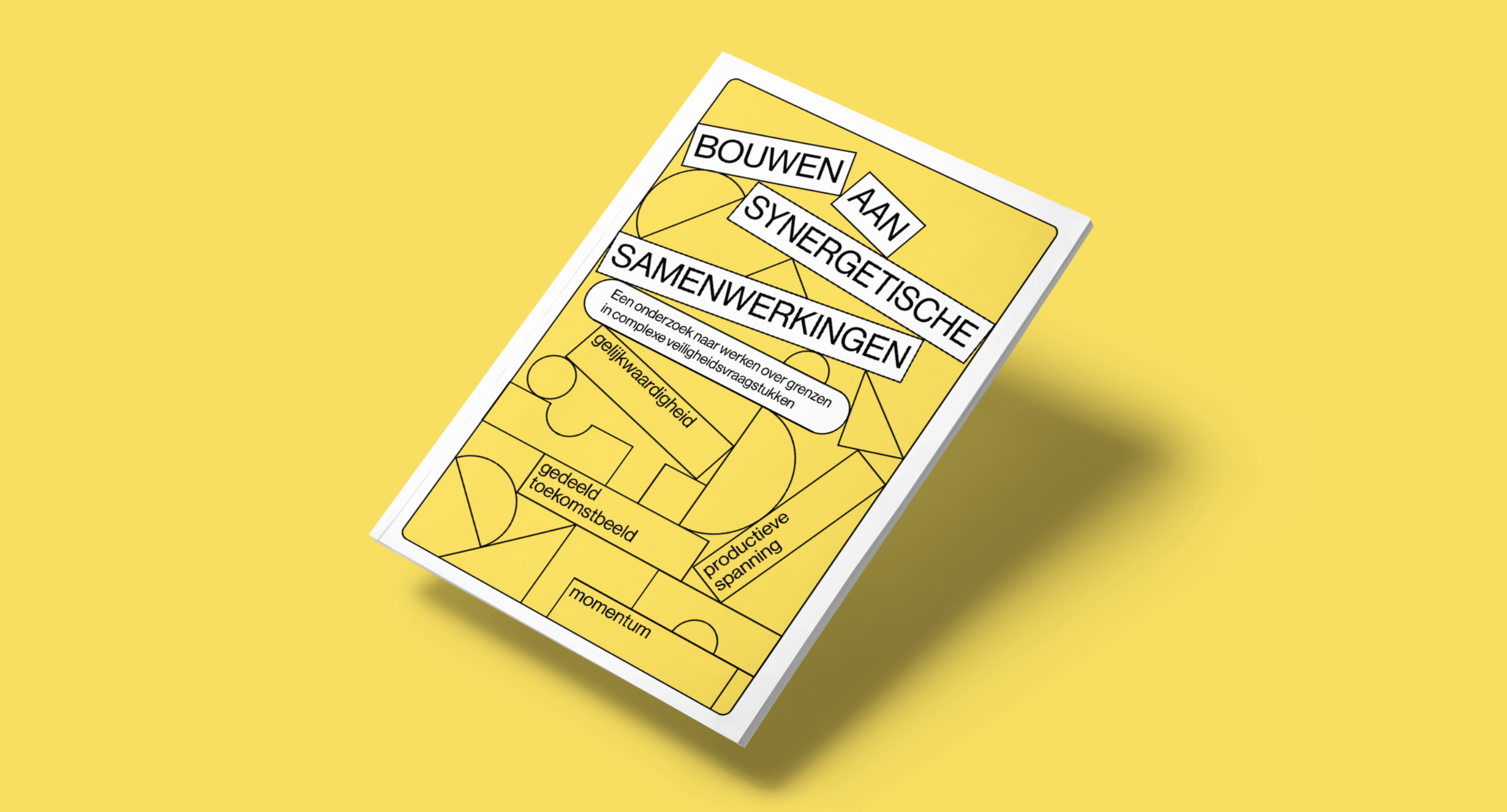
Building synergistic collaborations
design research
Het nieuwe thuiswerken
future vision, social design